How to Make Clothes Last Longer: The Everyday Habits That Actually Matter
As an Amazon Associate we earn from qualifying purchases. Some links on this page are affiliate links, which means we may earn a small commission if you make a purchase.
Clothes mostly die from being cared for too much, not too little—washed too often, dried too hot, ironed too eagerly. The single biggest mistake is treating every wear as if it demands a full wash.
UK clothing consumption has risen sharply over the past couple of decades, and much of it ends up in landfill before it’s physically worn out. Widely-cited UK waste research from WRAP puts clothing sent to landfill at roughly 336,000 tonnes a year. A significant portion is avoidable—not because people don’t care, but because the habits that keep clothes alive aren’t the ones most people pick up.
The good news is that fixing it doesn’t require specialist equipment. The most effective habit is one most people already know but skip: washing clothes less often. Every wash cycle subjects fabric to mechanical agitation, detergent chemicals, and water—all of which wear down fibres. The cumulative effect shows as fading, thinning, and bobbling over time. For many everyday items, you can comfortably wear them multiple times before they genuinely need laundering.
The Single Most Impactful Habit: Wash Less Often
If you do nothing else on this list, do this.
The mechanism is straightforward. Each wash cycle grinds fibres against each other, forces detergent molecules into the fabric, and subjects it to heat and mechanical stress. That combination drives fading, thinning, and bobbling. Most everyday garments—chinos, jeans, jumpers worn over a shirt, knitwear that hasn’t been spilled on—don’t need a full wash after every single wear.
This isn’t about hygiene avoidance. Underwear, socks, gym kit, and anything visibly soiled should still go in the wash after every wear. The habit change targets everything else.
The waste data backs this up. The 336,000 tonnes of clothing waste generated in the UK each year includes many items that were technically functional but had faded, bobbled, or gone thin from over-laundering. Oxfam UK notes that extending the life of clothing through smarter washing is one of the most effective ways to reduce textile waste. Cutting back on replacements adds up fast.
The Second Most Impactful Habit: How You Wash Matters as Much as How Often
Once you’ve committed to washing less, the next lever is technique. Two things make a measurable difference.
Turn clothes inside out. This sounds like a minor tweak, but the physics are solid. When a garment is turned out, its visible outer surface bears the full force of the drum’s agitation and contact with other items. Turned inside out, that surface faces inward and contacts only the smooth reverse of other garments, which significantly reduces bobbling, friction fading, and surface wear. It’s particularly worth doing for dark colours, printed T-shirts, and textured knits.
Keep the temperature low. Most modern detergents work effectively at 30°C. Higher temperatures increase colour bleeding, fibre stress, and shrinkage risk. There’s also the energy cost: washing at 30°C typically uses roughly half the electricity of a 40°C cycle. If an item has been freshly stained, treat the stain directly rather than raising the temperature as a compensating measure.
Don’t overdo the detergent. More detergent doesn’t mean cleaner clothes; it means more residue left in the fibres, which weakens the fabric and causes greying. Follow the dose for a half-load even when the drum looks full. If you’re using a heavy-duty detergent for a stained item, a targeted pre-treat with a spot treatment is more effective than doubling the detergent dose.
For wool, cashmere, and silk, a dedicated delicates detergent matters. Eucalan Delicate Wash, unscented, 500 ml (paid link) offers a no-rinse formula that many hand-washers appreciate; the lanolin option helps maintain the fibres. Woolite Extra Delicates Care, 16 oz (paid link) is another option for hand-wash delicates (the linked bottle is a 16 oz import). Ecover Delicate Laundry Liquid, Waterlily & Honeydew, 750 ml is a plant-based option, though this one is scented; the unscented Eucalan suits fragrance-sensitive skin better. The Lab Co. Cashmere & Wool Laundry Detergent, 500 ml (paid link) has a warming scent and gentle formulation for delicate fibres.
View Woolite Extra Delicates Care, 16 oz on Amazon → (paid link)
Buy Eucalan Delicate Wash, unscented, 500 ml on Amazon → (paid link)
A fabric shaver is a worthwhile one-off purchase for anyone with knitwear that’s started to pill. It’s also worth noting that hand washing is gentler than machine washing for delicate fibres like wool, cashmere, and silk. A dedicated hand-wash or delicates cycle on the machine with a specialist detergent is the best approach. For tougher fabrics, a standard machine wash at 30°C with a normal detergent is perfectly adequate, particularly if you turn garments inside out.
Buy The Lab Co. Cashmere & Wool Laundry Detergent, 500 ml on Amazon → (paid link)
Drying: Where Most People Lose Half Their Progress
Washing correctly and then tumble drying on high heat is a roundabout way of undoing it. The tumble dryer subjects clothing to prolonged heat and mechanical friction that can break down elastic in activewear, cause shrinkage in cotton and linen, and accelerate bobbling in knitwear. Air drying is the default answer.
Hanging garments on a line or airer means the fibres rest naturally, maintain their shape, and last longer. For items that do need tumble drying—heavy towelling, for instance—a low heat setting and removing items while still slightly damp makes a material difference. Don’t overload the airer. Clothes need air circulation; cramming a full load onto a single-tier airer means the top dries while the bottom stays damp—the root cause of the musty smell people associate with indoor drying.
For winter drying in a flat, a heated airer fills the gap. Models like the BLACK+DECKER 63099 3-Tier Heated Clothes Airer, 140 cm fold away for storage. The Oypla Extendable Heated Airer with Heated Wings is a more budget-friendly option suited to smaller loads. If you’re using one, give it space, keep a window cracked, and rotate items between shelves halfway through.
A fabric shaver is worth owning if you have knitwear. The Philips Fabric Shaver, 8800 rpm (paid link) revives bobbled jumpers by cutting loose fibres. The live listing does not print a model code, and it takes two AA batteries. It isn’t reversing wear, but it restores the appearance enough to extend a garment’s wearable life.
See Philips Fabric Shaver, 8800 rpm on Amazon → (paid link)
Stain Management: Treat It Once, Not Three Times
Stains are the main reason people throw wearable clothes into a wash they’re trying to avoid. The answer isn’t to ignore stains; it’s to treat them specifically so you don’t need a full wash.
The principle is simple: act immediately. Most fresh stains on washable fabrics respond to cold water and a little friction. Run cold water through the back of the stain to push it out rather than smearing it deeper. For anything greasy—cooking oil, butter—a drop of washing-up liquid worked gently into the mark before rinsing is often effective. Fairy Original Washing Up Liquid, 1.45 L (paid link) works well for grease. Elbow Grease Washing Up Liquid, Apple, 600 ml (paid link) is the smaller budget bottle, and it is a degreaser rather than a mild dish soap.
Buy Elbow Grease Washing Up Liquid, Apple, 600 ml on Amazon → (paid link)
View Fairy Original Washing Up Liquid, 1.45 L on Amazon → (paid link)
For targeted stain removal, Dr. Beckmann’s range handles most common marks. Tide To Go Stain Remover Pen, 3-pack (paid link) is three pens, not one. It is the travel option for a fresh mark until you can wash it properly.
Buy Tide To Go Stain Remover Pen, 3-pack on Amazon → (paid link)
Once the stain is treated, you can usually hang the garment back up and wear it again. One targeted treatment replaces a full wash cycle, meaning less mechanical wear over a year.
Storage and Everyday Care
Good storage is simple but neglected. Folding knitwear prevents the shoulder stretching that happens when heavy jumpers hang on standard wire hangers. Heavy coats and structured items need sturdy wooden or padded hangers—not the thin plastic ones that come with garments and bend under weight.
📺 Watch: How to Take Care of Your Clothes: 4 Simple Rules to Make Them Last
Check pockets before washing. Forgotten tissues disintegrate into dust that spreads across a load. Fasten zips and hooks before a machine cycle—an open zip catching on a lighter garment ruins things.
Keep seasonal items in breathable cotton garment bags rather than plastic, which traps moisture and can cause mildew. Dark and brightly coloured garments are best stored away from direct light, which helps prevent fading.
The habit of rotating what you wear matters. Alternating items gives the fibres time to recover between wears and extends the usable life of both. For example, many people who wear jeans daily own two pairs and alternate them—this extends the life of both pairs compared to wearing a single pair every day. Denim washing at high temperatures or tumbling accelerates fading and weakens fibres more quickly than wearing them does.
The Honest Summary
The habits that actually extend a garment’s life, ranked by impact:
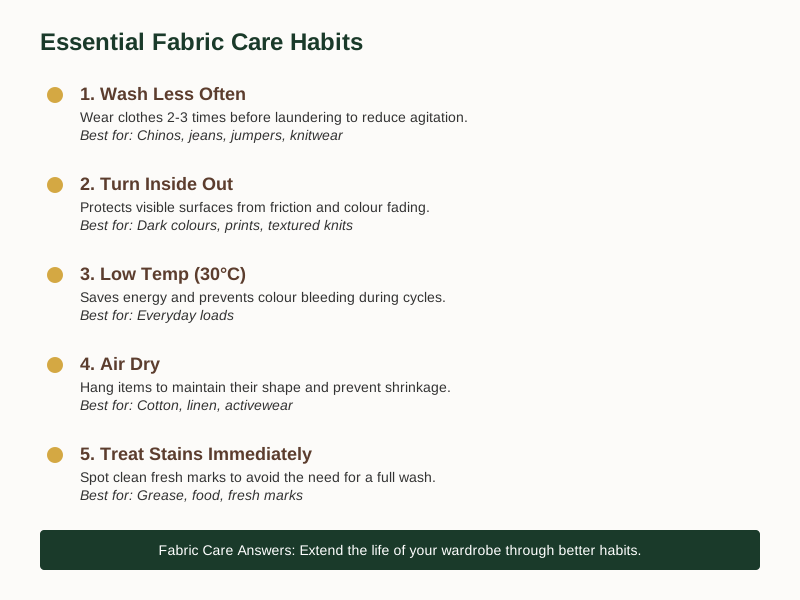
- Wash less often — this is the big one.
- Turn clothes inside out before washing.
- Use 30°C or below for everyday loads.
- Air dry instead of tumble drying where possible.
- Treat stains immediately so you avoid a full wash cycle.
- Store knitwear folded; use proper hangers for heavy items.
- Rotate your wardrobe so nothing gets excessive daily wear.
None of this requires buying much. A delicates wash for wool and cashmere, a fabric shaver for bobbled knitwear, a garment bag, and a pair of decent hangers—that’s the list, and it costs very little compared to what it saves in clothing replacement. For regular laundry, a good everyday detergent and a targeted stain remover cover most situations. It’s worth noting that fabric softener does not help clothes last longer—and it can shorten their life by leaving a coating on fibres that weakens them over time and reduces absorbency in towels and sportswear. Some people find a small amount of white vinegar in the conditioner compartment works as a natural alternative.
Everyday Laundry Habits Reference
| Habit | Why It Matters | Best For |
|---|---|---|
| Wash Less Often | Reduces mechanical agitation and chemical exposure | Chinos, jeans, jumpers, knitwear |
| Turn Inside Out | Protects visible surface from friction and fading | Dark colours, printed T-shirts, textured knits |
| Low Temperature (30°C) | Saves energy and prevents colour bleeding | Everyday loads |
| Air Dry | Maintains shape and prevents shrinkage | Cotton, linen, activewear |
| Treat Stains Immediately | Avoids a full wash cycle | Grease, food, fresh marks |
| Fold Knitwear | Prevents shoulder stretching | Jumpers, cardigans |
| Rotate Wardrobe | Allows fibres to recover between wears | Jeans, daily-wear items |
Start with the single highest-leverage habit tonight: wash less often. For the pilling that’s already accumulated, our pilling guide covers the removal steps.
The habits above aren’t revolutionary. Most take a few seconds longer than the careless alternative. But compound that over twelve months of laundry—fewer washes, gentler cycles, one stain treated instead of a full re-wash—and the effect on your wardrobe’s lifespan is substantial.
Get the Free Stain Removal Cheat Sheet
Related Guides
For a complete overview, see our How to Remove Pilling and Make Clothes Last Longer: UK Guide .
Sources & Further Reading
As an Amazon Associate we earn from qualifying purchases. The products linked above are ones we think are worth a look.
Note: General guidance only, verify details with a qualified professional or official source.