How to Remove Pet Hair from Clothes and Soft Furnishings
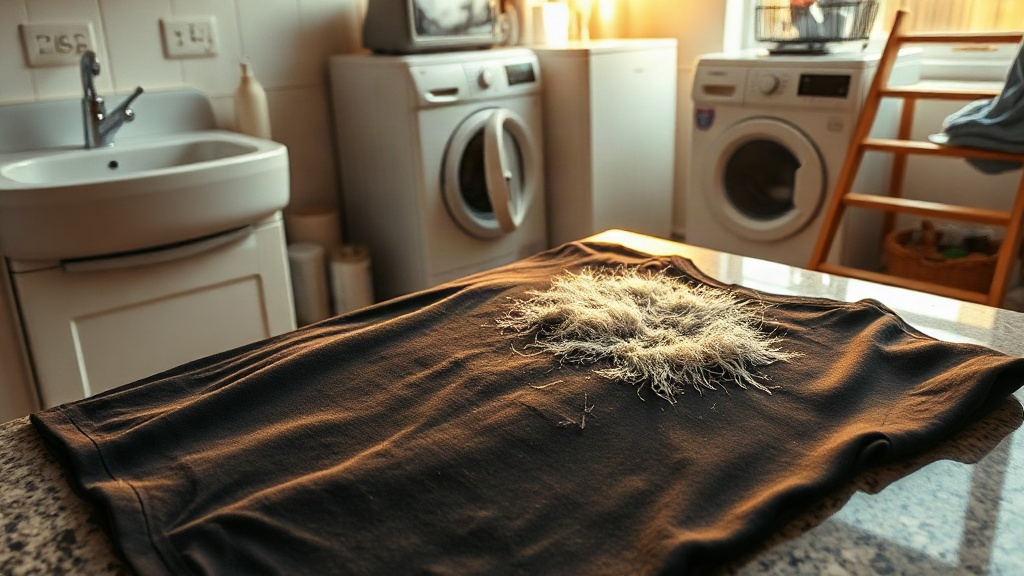
Most pet hair advice focuses on getting fur off clothes that are already covered, but that’s only half the battle. The other half — hair circulating through your home and landing on fresh laundry — gets missed, which is why you can de-fur your trousers in the morning and find them hairy again by evening.
Pet hair removal splits into two distinct jobs: removing what’s already stuck to garments, and managing the source that keeps putting it there. Tackling both requires different tools and approaches.
Why pet hair sticks and how to break the bond
Pet hair clings to fabric because it’s lightweight and carries a static charge — the same type that makes your hair stand up after removing a woolly hat. That charge causes individual hairs to act like tiny magnets, sticking to the fibres in your clothes or upholstery. The lighter the hair and the more static present, the more aggressively it attaches.
📺 Watch: How to Remove Pet Hair Off Furniture, Clothing and Linens! Easy …
Vacuum cleaners can sometimes make things worse on clothing because their airflow may push lightweight hair around rather than lifting it off. On some fabrics, this can drive fur deeper into the weave instead of removing it.
A damp rubber glove creates a stronger static field than the hair carries. This charge difference pulls the fur off the surface and gathers it into a ball you can peel away. It uses the same principle as anti-static brushes designed for pet hair, but uses a common household item instead.
Lint rollers take a more direct approach: adhesive on the roller surface physically sticks to the hair and lifts it away. Both methods work effectively but through different mechanisms.
Your clothing removal toolkit
For clothes, a damp rubber washing-up glove works remarkably well for most households. The rubber gathers fur into clumps that lift away easily without pressing hair further into the fabric. A slightly damp glove often works better than a dry one.
A lint roller suits quick spot checks or delicate fabrics you’re cautious about getting damp — silk blouses, lightweight knits, or anything you’re unsure can handle moisture. The KEPLIN lint roller, 5 refill heads, 300 sheets (paid link) is that tool: sticky sheets on a handle, for clothes and upholstery. It is less effective on heavy or tightly woven fabrics where the roller can’t get close enough to the fibres, for everyday clothes it works without any learning curve.
See KEPLIN lint roller, 5 refill heads, 300 sheets on Amazon → (paid link)
Fabric softener serves as a preventative measure — adding it to the wash reduces static so hair doesn’t stick as readily. This is useful laundry advice rather than a removal method for existing hair.
Using the rubber glove method: Wet the glove just enough to dampen it, then squeeze out excess water — you want moisture, not drips. Rub your hand across the fabric in smooth, overlapping strokes. The fur will gather into clumps you can peel off and dispose of. For heavy shedding, you may need to rinse the glove and repeat.
Furniture and carpet solutions
For carpets and upholstery, a vacuum cleaner with a proper pet hair attachment comes into its own. These attachments are designed to agitate fibres and draw hair out rather than push it down — exactly what you need for a carpeted staircase or fabric sofa.
A reusable fur-removal brush with a self-cleaning base works well for furniture and car seats. The Bailey & Buddies pet hair remover brush with self-cleaning base (paid link) is that kind of brush, and the listing includes a smaller travel brush in the same set. You run it across the surface and collected hair gathers in a compartment rather than on sticky sheets. With no refills to buy, it works out cheaper than a lint roller over time.
Buy Bailey & Buddies pet hair remover brush with self-cleaning base on Amazon → (paid link)
The rubber glove method also works on sofas and curtains — particularly useful where you can’t safely run a vacuum attachment without risking fabric damage. Curtains especially benefit because static charge in the fabric tends to attract fur, and a quick once-over with a glove takes seconds.
When using upholstery attachments, avoid pressing too hard. A light, steady pass often works better than aggressive scrubbing, which can compress fabric and push hair deeper into cushions.
Avoiding common pitfalls
Putting heavily furred clothes straight into the washing machine can trap hair between fabric layers. As water moves everything around, hair spreads to previously fur-free items. Shake clothes out over a bin or outdoors before washing, and keep loads lighter than normal.
While fabric softener reduces static that makes hair stick initially, it won’t remove hair that’s already there. Don’t substitute it for actual removal.
On upholstery, using the wrong attachment or pressing too hard can damage fabric over time. If the attachment feels overly aggressive, switch to the upholstery brush head or use the glove method instead.
A common mistake is using a dry glove — when the glove loses moisture, it may work less effectively. Keep water nearby to refresh the glove as needed.
Questions pet owners ask
📺 Watch: The Best 3 Tools To Remove Pet Hair In Your House!
Does fabric softener remove existing pet hair?
No. Fabric softener reduces the static charge in fabric, which helps prevent hair from sticking in future washes. It’s a preventative measure, not a removal tool for fur that’s already there.
Can I use a dryer sheet instead of a rubber glove?
A dryer sheet helps reduce static on fabric surfaces but won’t physically gather and remove pet hair like a damp rubber glove does. The glove creates a static field that lifts hair, while dryer sheets coat fabric to reduce cling. Sheets work well on clothes fresh from the tumble dryer but don’t replace the glove method.
Why does my vacuum sometimes worsen pet hair on clothes?
Vacuum cleaners create airflow that can blow hair into different positions on tightly woven fabrics like clothes, sometimes driving it deeper into the weave rather than extracting it. On carpets and upholstery, the mechanism works differently, making vacuums better suited to those surfaces.
Is the rubber glove safe for all fabrics?
Generally safe for most fabrics, but avoid using it on very delicate items where moisture could cause damage — some silk blouses or leather-adjacent finishes. A lint roller offers a safer alternative for fabrics you’re uncertain about.
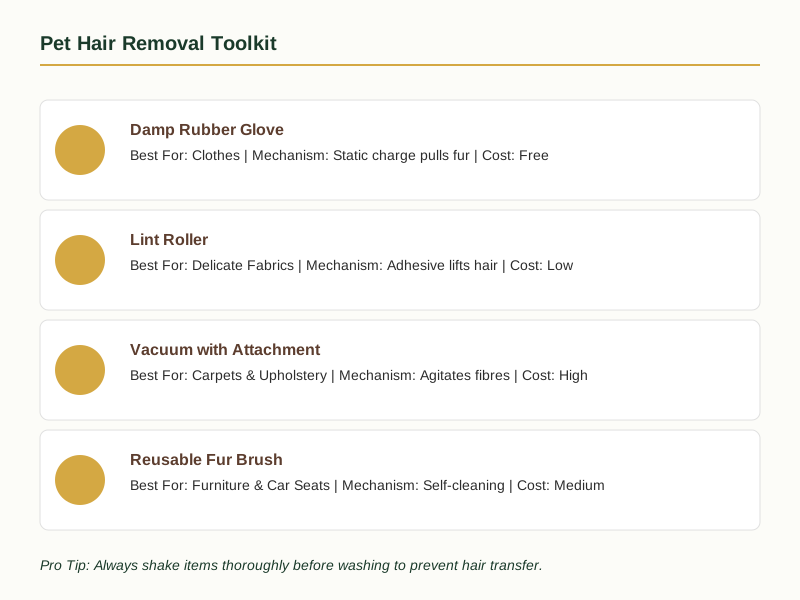
Tool comparison at a glance
| Tool | Best For | Key Mechanism | Cost |
Making pet hair management sustainable
The simplest habit that cuts re-cling is washing pet bedding separately from clothes. This prevents hair transfer at the laundry stage — a small change that makes a noticeable difference in how much fur circulates through your home.
📺 Watch: Clean Pet Hair for GOOD! How to Clean Up After Your Pets!
For full fabric care guidance that accounts for how pet ownership accelerates wear, our fabric care guide covers maintenance routines that help garments last.
Now you know what actually works — Get the Free Stain Removal Cheat Sheet if you’re dealing with more than just fur, or simply keep a rubber glove by the door for the next time you spot a fur coat on your clothes.
Related Guides
For a complete overview, see our How to Remove Pilling and Make Clothes Last Longer: UK Guide .
Sources & Further Reading
Note: General guidance only, verify details with a qualified professional or official source.