Why Do My Clothes Smell Sour or Stale After Washing (When the Machine Isn't the Problem)?

Overloading a standard 8kg washing machine means filling it beyond 75% capacity – that’s just three to four bath towels before water circulation fails. The resulting trapped residue causes the sour smell people mistake for a dirty machine.
You’ve run a hot wash, the drum looks spotless, your detergent is decent — yet your towels come out smelling like they’ve been left in a damp gym bag for a week. If you’ve already cleaned the machine and it still smells sour, the problem isn’t the appliance. It’s how you’re loading it.
Most people assume a musty smell means a dirty washing machine. Search results will tell you to run a bleach cycle, scrub the rubber seal, and buy a specialist cleaner. Sometimes that’s warranted. But often the smell is coming from your clothes — specifically, from soap residue and organic matter that never got rinsed out in the first place. The machine is innocent. The culprit is the way you’ve filled the drum.
This article explains why overloading causes that sour smell, how to load your machine correctly, and when the appliance itself actually does need attention. You won’t need to spend money on machine cleaners or replace anything — just one habit change.
What happens when you overload the drum
A typical UK washing machine has a drum capacity of 7–8kg, which sounds like plenty. The problem isn’t the machine’s limit — it’s how people interpret it. That 7–8kg figure is the maximum dry weight the drum can handle while still doing its job properly. When you push past it or fill the drum so clothes are wedged against each other, water can’t circulate freely around the fabric.
Think of it like a packed subway car at rush hour. Everyone is squeezed in, no fresh air moves, and by the end of the journey the whole carriage smells stale. In a washing machine, that trapped air is the rinse water. If clothes are piled in without space for water to flow through, the detergent and whatever soil is on your garments stays locked inside the fibres. The wash cycle completes, the spin finishes, and you pull out what looks like clean laundry — but it isn’t rinsed properly.
That trapped detergent and organic matter (sweat, body oils, food residue) sits in the damp fabric and ferments. The smell develops during the drying phase, particularly indoors where there’s limited airflow. It’s not the machine smelling — it’s the clothes. The machine itself can be completely clean and still produce sour-smelling laundry if the loads are too full.
This mechanism is why the problem is so persistent. You’re not dealing with mould in the drum; you’re dealing with bacteria feeding on residue inside the fabric itself. Running another wash with the same overloaded load just compounds it.
Correct loading technique
The fix is straightforward, even if it means doing more loads per week.
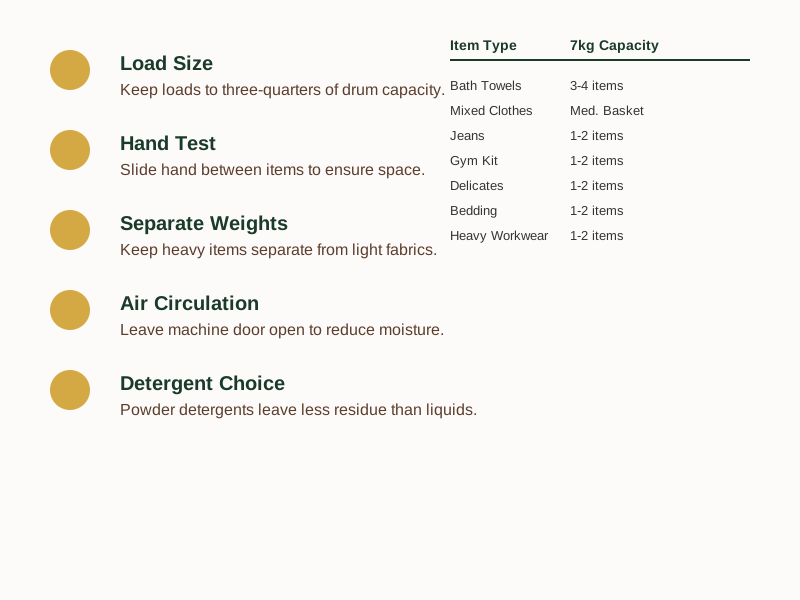
Filling a drum to about three-quarters full is the recommended maximum for effective washing. For a standard 7kg machine, this means a medium-sized basket of mixed clothes rather than trying to squeeze in every last item. You should be able to fit your hand between the items in the drum comfortably — not forced in, but able to slide it in sideways without compressing the load.
Use the hand test on anything you’re unsure about. Grab a washed towel and give it a firm squeeze. If water jets out, it’s been rinsed properly. If nothing comes out or only a dribble, the fabric is holding onto residue. That towel is going to smell.
Separate heavier items from lighter ones. Towels, jeans, and hoodies have more mass and more room to trap residue. Running them with lightweight fabrics means the heavy items don’t get adequate water flow while the light ones bounce around. Either run separate loads or mix carefully.
Don’t leave wet clothes sitting in the drum. If you can’t hang things up immediately, at least crack the door open to let air circulate. A sealed drum with damp laundry inside overnight is exactly the environment bacteria love. Leave the door shut on a damp load overnight and the clothes cool down in a warm, wet drum: by morning you’ve got a fermentation chamber.
One practical note: indoor drying makes this worse if your space is cold or poorly ventilated. Airing cupboards and radiators work, but if your flat stays cool all year, the drying phase extends — giving bacteria more time to produce that sour smell even after a successful wash. If you’re drying clothes indoors, give each item space and airflow. Don’t pile damp towels on an airer in a sealed room.
Load Size Checklist
Before you start the cycle, ask yourself:
- Can you slide your hand between items in the drum without forcing it?
- Does the load look loose, not compressed?
- Are heavy items (towels, jeans) separated from delicates?
If any of these answers is no, remove something before starting.
Now you know what to look for — keep this in mind next time you’re loading the machine, and the sour smell should clear up.
When to clean the machine itself
Here’s the honest answer: sometimes the machine is the problem. If you’ve been loading correctly for a few weeks and the smell persists, or if you notice a musty odour as soon as you open the door before you’ve even started a cycle, the machine itself needs attention.
📺 Watch: How To Clean Your Washing Machine & Remove Bad Smells
Moisture gets trapped in the rubber seal around the drum, in the detergent drawer, and in the internal pipework. Over time, this creates the conditions for mould and bacteria to establish themselves — and once they’re in, they can transfer smell back to every load you wash.
The fix is a maintenance wash. Run the machine empty on its hottest cycle (60°C or above) with either white vinegar poured directly into the drum, or a small amount of bleach. Both approaches target the bacteria and mould that accumulate in the seals and drawer. If you use bleach, do it with the drum empty — bleach on coloured clothing is a different disaster you don’t need.
This isn’t a daily task. Monthly maintenance is often recommended for most households. If you live in a hard water area or wash mostly at low temperatures, you might want to do it more often.
Keep the door and detergent drawer open between washes. This single step reduces moisture buildup significantly and is something most people skip. It’s not glamorous advice, but it works.
The machine cleaner products you see in shops aren’t necessary — vinegar or bleach does the same job for a fraction of the price. If you’ve already bought one and it didn’t fix the problem, the odds are the load size was the real issue all along.
Detergent’s role in residue buildup
Detergent matters less than most people think, but it still plays a role.
Powder detergents tend to leave less residue than liquid formulations or pods. Powders dissolve more completely and are less likely to cling to fabric fibres. Liquids and pods can leave a thin film that builds up over time, particularly if loads are overloaded and the rinse cycle isn’t thorough.
If you’re using liquid detergent, check you’re dosing correctly for your load size. More detergent doesn’t mean cleaner clothes — it means more residue that needs to be rinsed out. In an overloaded machine, there’s already not enough water to rinse properly, so adding extra detergent just adds to the problem. Adding more detergent to fix a smell will make it worse, as excess detergent needs more water to rinse out, which an overloaded drum cannot provide.
Vinegar can help clean the machine itself, but it won’t fix smell that’s coming from residue trapped inside the fabric. If your clothes are fermenting because the load was too full, vinegar in the drawer won’t reach the problem. Fix the load size first.
Gym kit, which carries more body oils, sweat, and bacteria than towels or everyday clothing, is particularly prone to this issue. That organic matter is exactly what the bacteria in an overloaded drum feeds on. A full load of gym kit will smell worse than a full load of towels because there’s simply more for the bacteria to work with. Keeping those loads smaller and washing them promptly after use helps significantly.
For most people, a standard powder detergent used at the correct dose will do the job. You don’t need the expensive “fresh scent” options or biological formulas unless you have specific reasons (skin sensitivity, heavily soiled workwear).
The honest answer on detergent: it’s a secondary factor compared to load size. Fix the loading habit first, then adjust detergent if the smell persists.
Quick load size reference
| Item Type | Standard 7kg Machine | Check Condition |
|---|---|---|
| Bath Towels | 3-4 | Water jets out when squeezed |
| Mixed Clothes | Medium Basket | Hand slides in sideways without compression |
| Jeans | 1-2 | Heavy items separated from delicates |
| Gym Kit | 1-2 | Prompt washing after use recommended |
| Delicates | 1-2 | Gentle cycle, low spin speed |
| Bedding | 1-2 | Ensure no overfilling |
| Heavy Workwear | 1-2 | Separate load for best results |
Apply this one rule to fix the problem
The core issue is almost always overload — not a broken machine, not the wrong detergent, not a mysterious fault. A 7–8kg drum needs room to move. When it gets it, the rinse cycle works properly, detergent gets cleared out, and bacteria doesn’t get the damp, residue-rich environment it needs to ferment.
Check your next load before you start it. If you can’t fit your hand in comfortably, take something out. Run that smaller load, hang the clothes with space to breathe, and smell the difference. Many people find the problem clears up quickly once they adjust their loading habits.
If you’ve been fighting a persistent sour smell and assuming your machine was faulty, the relief of knowing it’s a free, five-second habit fix — not an expensive repair — is worth a lot.
Once you’ve got the load size right, keeping your laundry smelling fresh comes down to a few simple habits: correct detergent dosing, an occasional maintenance wash, and leaving the machine door open between cycles. None of this costs much or takes much time.
For stain decisions that come after a correctly loaded wash, keep our free stain removal cheat sheet handy as a quick reference beside the machine. It covers the same principle of acting quickly with the right technique for the fabric.
Get the Free Stain Removal Cheat Sheet
Related Guides
Sources & Further Reading
Note: General guidance only, verify details with a qualified professional or official source.