Why Do Some Stains Come Back After You've Already Washed Them Out?
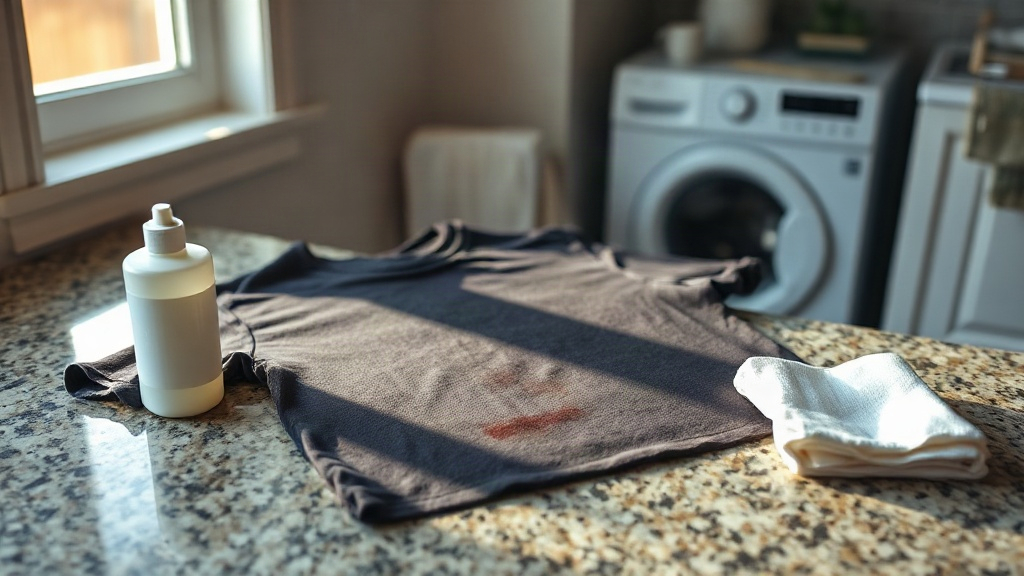
Wicking – the capillary action that moves moisture through fabric fibres – explains why stains you thought were gone can reappear hours after washing. This physical process, along with residue traps and heat redistribution, causes the frustrating phenomenon of returning stains.
When a stain comes back, it’s usually one of three mechanisms at work: incomplete removal through wicking, cleaner residue attracting new dirt, or heat spreading contaminants during the wash cycle.
When moisture brings stains back to the surface
Wicking occurs when moisture deep within fabric travels back to the surface during drying. A coffee spill soaks through multiple layers, and while your wash may clean the visible top layer, contamination remains in deeper fibres. As the garment dries, this moisture rises like oil through a candle wick, carrying dissolved stain material back to the surface.
📺 Watch: Mystery Washing Machine Stains Explained by a Dry Cleaner
This explains why spot treatments often seem to work temporarily – you’ve addressed the surface symptom while the underlying cause remains. Complete stain removal requires flushing contaminants from the entire fabric depth, making thorough rinsing as important as the cleaning product itself.
The residue problem
Some stains reappear because cleaning products leave behind surfactant residue that attracts new dirt. Many commercial stain removers deposit active agents on fabric to break down stains, and if not fully rinsed out, these create sticky patches that collect dust, skin cells, and everyday grime.
This creates a counterproductive cycle where repeated treatments build more residue, attracting more dirt. You’ll find online discussions where people treat the same stain multiple times with growing frustration, unaware that each application leaves behind a fresh dirt magnet.
The solution isn’t more cleaner but more thorough rinsing. Delicate fibres like wool and cashmere particularly benefit from no-rinse wash products, but all fabrics need proper flushing with clean water after stain treatment.
When hand-rinsing, run water through the fabric from the back of the stain toward the front to push contamination out the way it entered.
How heat spreads stains
Your washing machine’s heat can worsen certain stains. Many UK laundry cycles run at around 30–40°C, which liquefies stains like candle wax, lipstick, and cooking oils. If detergent doesn’t fully emulsify and remove these liquefied stains, they spread through fibres during the wash, then re-solidify as the drum cools.
Greasy or waxy stains often appear to spread or darken after machine washing because heat has redistributed them through a larger area. For oil-based stains, a cold rinse followed by targeted treatment and another cold rinse often works better than a hot cycle that melts contaminants deeper into fabric.
Solving returning stains
Two approaches exist for stains that resurface or might return.
DIY spot cleaning with pens, sprays, or powders works for immediate surface spills but consistently fails on deeper contamination. It leaves surfactant residue and doesn’t extract stains from fabric depths.
Thorough extraction removes all moisture and residue from the entire fabric depth through proper treatment, extensive rinsing, and heat-free drying. This method actually prevents reappearance.
Quick spot cleaning only suits genuinely surface-only spills treated within minutes with thorough rinsing. Once a stain has soaked through or reappeared after washing, you need full extraction.
Get the Free Stain Removal Cheat Sheet for a printable reference when dealing with laundry mishaps.
Dr. Beckmann Stain Devils breakdown
The Dr. Beckmann Stain Devils range offers targeted solutions for specific stain types:
Ink variant works best on fresh pen marks but becomes inconsistent with black ink, gel pens, or dried stains. It can spread the stain on some fabrics. Treat immediately and test first.
Blood variant has high success rates on fresh protein stains but struggles with dried marks. Performance drops significantly after just a few hours. For day-old stains, it might improve but rarely eliminates.
Grease variant receives strong praise for motor oil, road tar, and cooking fats where other products fail. It may need multiple applications on stubborn marks and works best as a pre-wash spot treatment.
These products work well for specific, immediate stain situations but aren’t miracle cures for set-in marks.
Stain behaviour with heat
| Stain Type | Heat Sensitivity | Redistribution Risk |
|---|---|---|
| Candle Wax | High | Spreads into fibres when liquefied |
| Lipstick | High | Spreads into fibres when liquefied |
| Cooking Oil | High | Spreads into fibres when liquefied |
| Food Fats | High | Spreads into fibres when liquefied |
| Fresh Ink | Variable | Usually safe in warm wash |
| Fresh Blood | Variable | Usually safe in warm wash |
Common stain questions
Will tumble drying set stains?
Yes – dryer heat permanently sets many stains and drives them deeper. If a stain remains after washing, air dry and retreat before applying heat. Heat-set stains become significantly harder to remove.
Is vinegar effective for stains?
Vinegar helps brighten whites and remove some mineral deposits but isn’t reliable for most common stains like grease, ink, blood, or wine. Targeted products or proper extraction work better for these.
Why do stains darken after washing?
Darkening usually indicates wicking (moisture bringing stains up from deeper layers) or heat spreading oil-based stains through fibres. Both mean incomplete removal requiring more thorough rinsing and targeted treatment.
Finding the right solution
The three causes of returning stains – wicking, residue, and heat redistribution – each point to different solutions in our comprehensive stain removal guide. For wicking issues, focus on moisture extraction methods. Residue problems need thorough rinsing techniques. Heat-sensitive stains require cold treatment approaches covered in the main Stain Removal Guide UK: How to Get Any Stain Out of Clothes .
Sources & Further Reading
Note: General guidance only, verify details with a qualified professional or official source.