How to Dry Clothes Indoors Without Them Smelling Musty
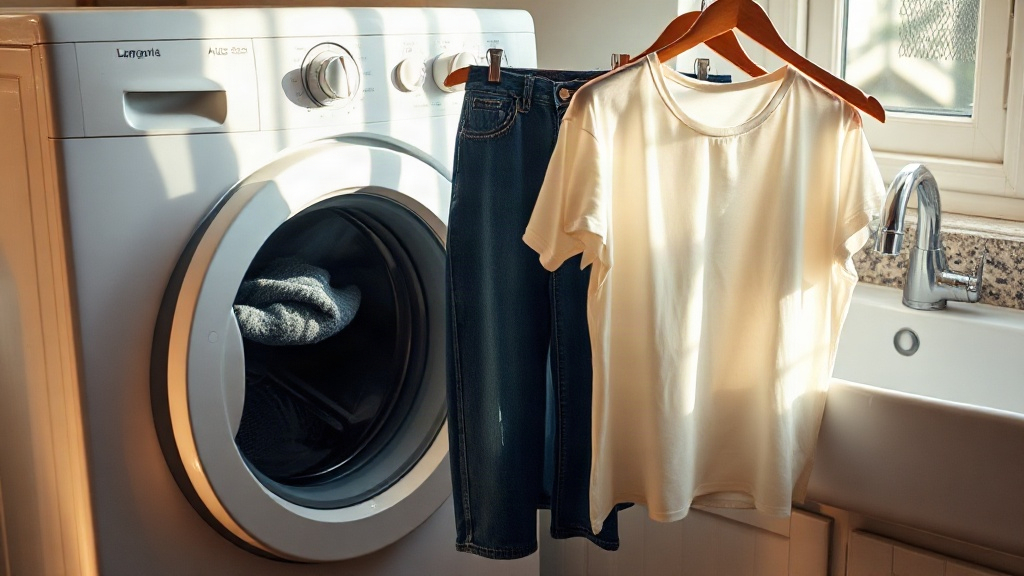
Slow drying, still air, a cool room. These three conditions are what produce that musty smell in laundry dried indoors. Break any one of them and you’ll fix the problem.
The good news is this is genuinely fixable, and you don’t need a dehumidifier to do it. The better news is the single most effective step takes about three seconds on your washing machine dial.
What follows is a fail-safe drying routine built around physics rather than expensive equipment—specifically for the UK household with a drying rack, a washing machine, and somewhere between a flat and a three-bed terraced to work with.
The Foundation: Extract More Water First
Musty smells don’t come from the air in your home. They come from the clothes themselves. Bacteria grow in the residual moisture trapped in fabric—the longer a garment stays damp, the more opportunity those organisms have to establish themselves and produce that distinctive stale odour. The smell isn’t the damp; the smell is what the damp grew.
So the most effective intervention isn’t how you manage the room—it’s how much water you remove from the fabric before it even goes on the airer.
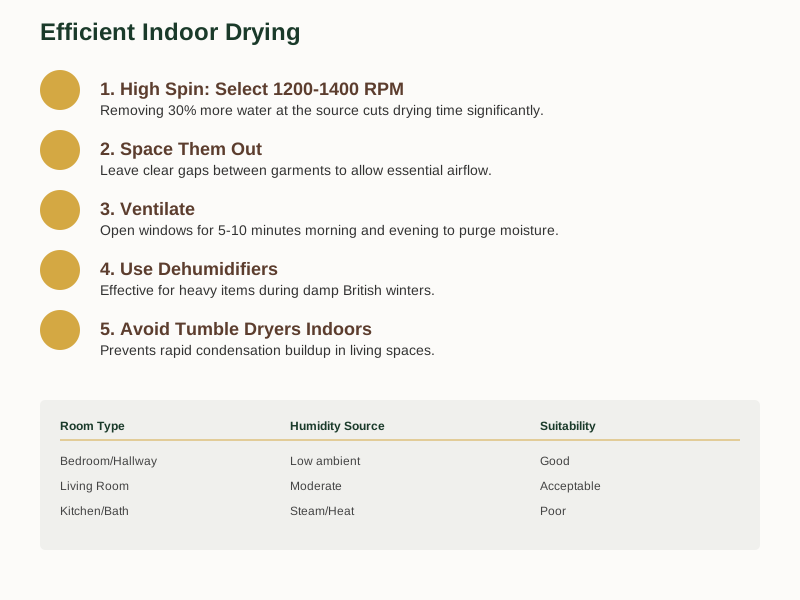
A high spin cycle uses centrifugal force to physically wrench water out of fibres. The faster the spin, the more force, the drier the result. A 1400 RPM wash cycle removes noticeably more water than a standard 1000 RPM cycle. That difference can cut drying time by several hours. Less residual moisture means less time for bacteria, and less humidity dumped into your living space.
Check your washing machine dial. If it offers a 1200 or 1400 RPM option, select it—even for items that don’t usually get a heavy spin, like delicates, the difference in drying time is worth it. Then remove clothes immediately when the cycle finishes.
If your machine doesn’t go above 1000 RPM or you’re washing wool, do an extra spin cycle once the wash is done. Another option: roll the garment in a clean, dry bath towel and press firmly to absorb the worst of the moisture before hanging. It’s a bit of a faff, but it cuts the drying time down substantially.
Ventilation and room management matter, but they’re the support structure, not the load-bearing wall.
Create Space for Airflow
Once your clothes are as dry as you can get them before hanging, the room takes over. The most common mistake: hanging garments too close together.
When clothes are packed tightly on an airer, they create a microclimate—a pocket of very humid air trapped between layers of fabric that has nowhere to go. That localised humidity prevents any of the garments in the middle from drying efficiently, and that extended damp period is exactly what bacteria need. The outer layer looks fine; the inner layers are the problem.
Space each garment so air can circulate around it. On a folding airer, avoid stacking one layer directly on top of another until the first layer is at least surface-dry. Where you have the room, a free-standing rail or a couple of stretchers across a doorway will outperform a packed airer every time.
You’re aiming for even airflow across every surface of every garment. That’s what drives moisture out of the fibres and into the room’s air, where ventilation can then carry it outside.
Ventilation and Temperature Control
With your clothes properly spun and spaced, the room’s job is to absorb and export the moisture those fibres release. Two factors matter here: airflow and temperature.
Ventilation is the more important of the two. Opening windows—even just one, even partially—creates a draft that carries humid air out and brings drier external air in. The timing matters less than people think; some ventilation in the morning and again in the evening helps significantly for a normal load. In a smaller flat with a single drying rack, a slightly longer window in each session helps. An extractor fan running in a kitchen or bathroom does the same job more efficiently, and if you have one, use it while the load is actively drying.
Temperature helps evaporation but needs careful handling. A warm room increases the rate at which moisture evaporates from fabric, which sounds ideal. The complication is that warmer air holds more moisture, and when that air meets cold surfaces—a windowpane, an exterior wall—the moisture condenses back out as water droplets. That condensation can contribute to damp and mould over time. So if you’re heating the room you’re drying in, pair it with ventilation. One without the other creates a different problem.
Dehumidifiers are genuinely effective at pulling moisture from the air, and if you live in a persistently damp property or are drying heavy items like towels through a British winter, they’re worth considering. The MeacoDry Arete One 12L (paid link) has a laundry mode that runs for six hours and then switches off. A dehumidifier doesn’t replace the high-spin step—it’s working on the ambient air, not the fabric—but used together with a proper spin and good ventilation, it accelerates everything. If the budget doesn’t stretch to one right now, don’t worry. The combination of a thorough spin and consistent airflow will get you most of the way there on its own.
See MeacoDry Arete One 12L on Amazon → (paid link)
Common Mistakes to Avoid
Leaving clothes in the machine after the cycle finishes. This is a common avoidable cause of musty smells. As soon as the wash ends, moisture begins to settle in the drum. Leaving laundry for just a couple of hours can allow bacterial growth on absorbent fabrics like cotton towels or sports kit. Get them out and onto the airer promptly.
Drying in the wrong room. Kitchens and bathrooms generate their own humidity from cooking and showering, making them poor choices for drying laundry. Bedrooms and hallways are typically better options due to their lower ambient humidity, while living rooms are acceptable if well-ventilated. Conservatories can be problematic due to temperature swings and condensation issues. Adding a load of laundry into an already humid space like a kitchen or bathroom compounds the moisture problem. If you can, dry in a bedroom or hallway where there’s less competing moisture.
Overloading the airer. This undermines the work you’ve already done with your spin cycle. If the airer is so full that you can’t easily see the individual garments, some of them aren’t drying efficiently. Split the load across two airers, or dry in two sessions.
Storing clothes while they’re still damp. Never put anything away that still holds moisture. Even a slightly clammy T-shirt packed in a drawer will develop that stale smell over a few days, and once it’s in the fabric, washing it again won’t necessarily remove it. If you’re not sure, leave it out longer.
Frequently Asked Questions
Can I use vinegar to remove musty smells from laundry?
Vinegar is often mentioned as a remedy for lingering smells, and it’s not useless—white vinegar can help neutralise some odour compounds during the wash cycle. But it’s a workaround, not a fix. If your clothes are developing a musty smell regularly, the problem isn’t the detergent; it’s the drying process. Tackle the root cause—a thorough spin and faster drying—and you won’t need to rescue smells after the fact.
Is it safe to dry wool indoors?
Yes, but the method matters. Wool holds a lot of water and is prone to stretching under its own weight when wet, so the usual hanging approach doesn’t work well. Roll the garment in a dry towel to absorb the excess moisture, then lay it flat on a clean surface, reshaping it gently to its original dimensions. Keep it away from radiators and direct sunlight. A wool jumper laid flat in a warm, ventilated room can dry reasonably quickly and hold its shape.
How long should I leave windows open when drying clothes?
You don’t need to leave windows open all day. In most UK homes, some ventilation in the morning and again in the evening can help refresh the air and export the humidity from a normal drying load. If you’re drying in a smaller room or a poorly ventilated flat, err towards a longer window rather than shorter. The goal is a complete air change, not a permanent draft.
The Single Habit That Prevents Musty Clothes
Keep a hand’s width between garments on the airer—that spacing rule alone ensures airflow reaches every surface. It’s the simplest way to break the stagnant-air condition that lets bacteria thrive.
📺 Watch: Hacks to Remove Musty Smell from Clothes
For the stains that tend to appear when laundry hangs around longer in winter, keep our cheat sheet handy as your reference:
Get the Free Stain Removal Cheat Sheet
It covers everything from ink on a shirt to a wool jumper that’s survived the machine, giving you quick answers for the mishaps that happen when drying takes longer.
Related Guides
Sources & Further Reading
Note: General guidance only, verify details with a qualified professional or official source.