Why Do Clothes Keep Shrinking Even on a Cold Wash?

1400 RPM. That’s the centrifugal force pulling your wet cashmere jumper against the drum wall, stretching the fibres even as the water temperature reads a safe 30°C. The jumper comes out shorter. Tighter. Visibly smaller.
You’ve followed the care label. You’ve used wool detergent. You haven’t tumble-dried it. Yet the garment has still shrunk.
The culprit isn’t the water temperature. It’s the spin cycle—a mechanical force that operates independently of heat. While a cold wash prevents thermal shrinkage, it does nothing to stop the physical compression that happens at high spin speeds.
This gap in the “just wash on cold” advice is why expensive knitwear can still end up a size too small.
The Real Relationship Between Cold Water and Shrinking
Washing at 20°C to 30°C genuinely helps prevent thermal shrinkage, which is crucial for wool and cashmere where heat causes fibres to felt. It also cuts energy costs significantly. For everyday laundry, a 30°C cycle is a sensible default that cleans effectively with modern detergents while being gentler on colours and synthetics.
📺 Watch: Why Do Clothes Shrink When You Wash Them?
But cold water has no effect on mechanical shrinkage. The spin cycle applies physical stress to wet fibres regardless of temperature. Even a 20°C wash can compress delicate items if the drum spins too fast.
These two processes—thermal and mechanical—are separate. A machine spinning at full speed stresses fibres whether the water is hot or cold. This is the critical detail often missing from conventional laundry advice.
For machine-washable wool, always use a wool or delicate cycle with cold water, low spin speed, and wool-safe detergent. Never tumble dry wool. If the label says “dry clean only” on an expensive item, consider professional cleaning. A 30°C cycle offers a good balance of cleaning and energy efficiency for everyday UK laundry. Modern detergents work well at this temperature. Reserve hotter washes for heavily soiled items like towels and underwear.
If clothes consistently emerge smaller, tighter, or with a compressed texture—especially delicates—your spin speed is likely too high. Reduce it to 800–1,000 RPM or use the wool program.
Occasionally running a hot wash with detergent helps clean the machine itself, preventing mould and grease buildup that can transfer odours to clothes during cold cycles.
Need more help with your laundry routine? Get the Free Stain Removal Cheat Sheet — it’s a handy reference for the things that go wrong and how to fix them fast.
| What it does | Cold wash | Spin cycle |
|---|---|---|
| Prevents thermal shrinkage | Yes | No |
| Removes energy cost | Yes | No |
| Removes water from fibres | No | Yes — and can stress them |
| Effective on everyday dirt | Yes (with modern detergent) | N/A |
How the Spin Cycle Compresses Fibres
Imagine wringing out a wet towel, then multiply that twisting force by 1,400 revolutions per minute. During the spin cycle, centrifugal force pulls wet fibres outward against the drum, stretching them. When the spin stops, delicate fibres don’t always return to their original position.
This mechanical shrinkage happens independently of temperature. UK washing machines commonly spin at 1,200 to 1,600 RPM. While faster spins extract more water (reducing drying time), they exert greater force on vulnerable fabrics.
Fibres that weaken when wet are most at risk:
- Wool and cashmere lose natural oils when saturated, becoming more pliable and less resilient to stress.
- Viscose absorbs water readily and temporarily loses structural strength, making it prone to distortion.
The solution is straightforward: reduce spin speed to 800-1,000 RPM for delicate loads, or use a dedicated wool cycle. The clothes will emerge wetter but intact. If your machine doesn’t allow spin speed adjustment, hand-washing fragile items eliminates spinner stress entirely.
Which Fabrics Are Most Vulnerable?
Different materials respond differently to mechanical stress.
Wool – While cold water prevents felting, a fast spin can mechanically compress fibres, reducing the garment’s loft. A gentle hand-wash and flat drying can sometimes restore texture.
Cashmere – Finer and more sensitive than wool. The safest approach is hand-washing in cold water with specialist detergent, followed by flat drying.
Viscose – Often mistaken for an easy-care synthetic, viscose behaves like a natural fibre when wet, absorbing water and losing strength. High spins can cause uneven shrinking and warping.
Superwash wool – The treatment reduces felting but doesn’t protect against mechanical compression from high spin speeds.
Do use wool-specific detergent, select low spin speeds, and dry knitwear flat on a towel. Don’t tumble dry wool or cashmere, use fabric conditioner on these fibres, or wring knitwear by hand.
Adjusting Your Approach to Prevent Shrinking
Control the spin speed. Look for the spin setting on your machine’s display and reduce it to 800 or 1,000 RPM for delicate loads. Many machines have a dedicated wool or delicate program that automatically combines colder water with gentler spinning.
Choose the right cycle. Use the wool or hand-wash cycle for cashmere, fine knits, and silk. If unavailable, a cold synthetic cycle at low spin is a reasonable alternative for less delicate items.
Air dry important items. Tumble drying is harsh on delicate fibres. Drying flat on a clean towel preserves shape best. In limited spaces, a heated airer works for cottons and synthetics, but wool and cashmere should always dry flat.
Maintain your machine. Run an empty hot wash with a dedicated cleaner occasionally to prevent grease buildup that can transfer odours during cold washes.
Avoid overloading. Packed clothes experience concentrated mechanical stress. Give items room to move freely in the drum.
Don’t forget to clean your machine — a build-up of detergent residue and limescale can affect wash performance over time.
Understanding the Two Forces at Play
| Function | Cold Wash | Spin Cycle |
|---|---|---|
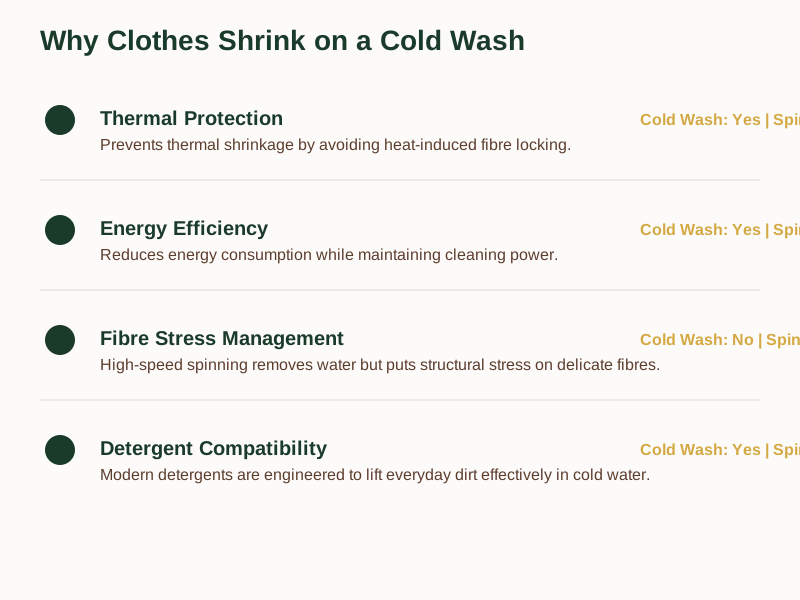
| Prevents thermal shrinkage | Yes | No |
| Removes energy cost | Yes | No |
| Removes water from fibres | No | Yes — and can stress them |
| Effective on everyday dirt | Yes (with modern detergent) | N/A |
From Cause to Solution
Cold washes effectively prevent thermal shrinkage and save energy, but they don’t address the mechanical forces of the spin cycle. A 1,400 RPM spin applies significant stress to delicate fibres regardless of water temperature.
The adjustment is simple: reduce spin speed, use wool cycles, and air dry important items. No new products required—just different settings on your existing machine.
Once you’ve mastered prevention, having a plan for accidents is wise. A quick reference helps tackle stains and mishaps when fast action matters.
Get the Free Stain Removal Cheat Sheet — save it to your phone or print it for quick access to solutions for common laundry problems.
Where to Go From Here
This guide explains why shrinking happens despite correct temperature settings. For practical steps to reverse shrinkage when it occurs, our complete guide to fixing shrunk jumpers covers stretching techniques and long-term prevention strategies.
Sources & Further Reading
Note: General guidance only, verify details with a qualified professional or official source.