What Temperature Should You Actually Wash Different Fabrics At?
As an Amazon Associate we earn from qualifying purchases. This page contains affiliate links — if you buy through them, we earn a small commission at no extra cost to you.
Running a 60°C wash cycle instead of a 30°C one on a standard UK machine typically adds about 40p to your electricity bill per load—the cost difference comes from heating the extra water. That financial gap is the practical reality behind every temperature choice you make at the machine.
The Energy Cost of Clean: 30°C vs 40°C vs 60°C
Heating water accounts for the vast majority of a washing machine’s energy consumption. While the exact percentage varies by model, the principle is clear: higher temperatures mean higher costs. Switching your regular washes from 40°C to 30°C can lead to noticeable savings over time.
The hygiene trade-off, however, is real. For everyday clothing like T-shirts and jeans that aren’t heavily soiled, 30°C with a good detergent is perfectly adequate. These items don’t typically harbour harmful pathogens.
The situation changes completely with towels, underwear, and bedding. These high-contact items collect skin cells and bacteria. NHS guidance specifically recommends a 60°C wash to effectively reduce pathogens, particularly when someone is unwell or has a skin condition. This temperature represents the threshold where bacterial reduction becomes significant.
The practical split: everyday clothes at 30°C; towels and bedding at 60°C. This approach saves money where possible while maintaining proper hygiene where it matters most.
One side effect of consistent low-temperature washing is residue build-up in the machine itself. Detergent and oils can accumulate in the drum and seals, potentially leading to musty odours. An occasional empty 60°C cycle helps maintain machine cleanliness.
Fabric-Specific Temperature Guidelines
Beyond the basic hygiene split, different fabrics have specific temperature needs that affect their longevity and appearance.
📺 Watch: What temperature should you do your laundry at? (BBC)
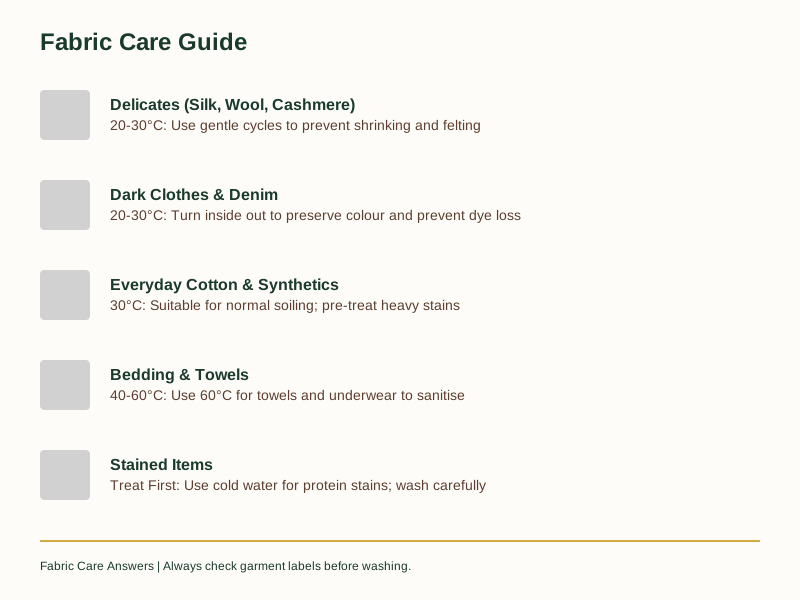
Delicates: silk, wool, cashmere — 20-30°C maximum
Protein-based fibres like wool and silk are particularly vulnerable to heat. Wool shrinks through felting—a process where heat and agitation cause the fibres’ scales to lock together permanently. A wool jumper washed at 40°C might never return to its original size. Use a dedicated wool or delicates detergent and the gentlest cycle available. For hand-washing delicate items, a no-rinse formula can simplify the process.
Dark clothes and denim: 20-30°C
Higher temperatures can cause dark dyes to fade more quickly by opening the fabric fibres and accelerating colour loss. Turning dark items inside out before washing provides additional protection against fading from friction against the drum.
Everyday cotton and synthetics: 30°C
This category includes most casual wear and workwear. Modern detergents are effective at 30°C for normal soil levels. The key exception is heavily stained items, where pre-treatment matters more than wash temperature.
Bedding and towels: 40-60°C
This is where hygiene takes priority. Towels that don’t dry thoroughly can develop mildew, while bedding accumulates body oils and skin cells. Regular 60°C washes help maintain cleanliness, with frequency adjusted based on household needs.
Stains: treat first, then wash
Always address stains before they go in the machine. Different stain types require different approaches—protein-based stains like blood respond best to cold water, while oil-based stains need a different treatment. The wash cycle then handles general cleaning at a temperature the fabric can safely tolerate.
Understanding Care Labels
Care labels use a system of dots inside a wash tub symbol to indicate maximum safe temperatures:
- • 30°C maximum
- •• 40°C maximum
- ••• 50°C maximum
- •••• 60°C maximum
A hand symbol means hand wash only, while lines underneath indicate gentler machine cycles. These symbols show the upper safety limit—you can always choose a lower temperature.
Machine Maintenance Matters
While low-temperature washing saves energy, it requires occasional maintenance washes to prevent residue build-up. If your machine develops a persistent musty odour, the issue likely stems from accumulated detergent and oils rather than your laundry habits. A hot empty cycle with a machine cleaner can resolve this.
Common Temperature Questions
Is 30°C sufficient for everyday laundry?
For regular clothing with normal soil levels, yes. Modern detergents work effectively at lower temperatures. The exceptions are items requiring sanitisation, like towels and bedding, which benefit from periodic 60°C washes.
How do I interpret the dots on care labels?
The dots indicate the maximum temperature safe for that fabric. One dot means 30°C, two dots 40°C, and so on. You can safely wash at lower temperatures than indicated.
Why does my machine smell despite clean clothes?
Residue from low-temperature washing can accumulate in hidden areas of the machine. Regular maintenance washes at higher temperatures help prevent this build-up.
Quick Reference Guide
| Fabric Type | Recommended Temperature | Key Considerations |
|---|---|---|
| Delicates (Wool, Silk) | 20-30°C | Use gentle cycle; avoid agitation |
| Dark Colours & Denim | 20-30°C | Turn inside out; cold water preserves dye |
| Everyday Wear | 30°C | Adequate for normal soil levels |
| Towels & Bedding | 40-60°C | 60°C for hygiene; adjust frequency as needed |
| Stained Items | Treat first | Match wash temperature to fabric safety |
Finding the Right Balance
Temperature selection is about balancing energy savings with effective cleaning. While 30°C works for most everyday laundry, don’t overlook the importance of higher temperatures for hygiene-critical items and machine maintenance.
Remember that temperature is only one variable in fabric care—the other major factor is agitation. For delicate fabrics most vulnerable to the combination of heat and mechanical action, our complete guide to washing cashmere, wool and silk covers the full method to protect your investment pieces.
Further Reading
For detailed guidance on specific delicate fabrics, see our Delicate Fabric Care Guide: How to Wash Cashmere, Wool and Silk at Home .
Sources
As an Amazon Associate we earn from qualifying purchases. The products linked above are ones we think are worth a look.
Note: This article provides general guidance only. Always check garment care labels and consult manufacturer instructions for specific items.