Can You Wash "Dry Clean Only" Clothes at Home?

As an Amazon Associate we earn from qualifying purchases. Some links on this page are affiliate links, which means we may earn a small commission if you make a purchase.
The “dry clean only” label on your favourite silk blouse is a manufacturer’s recommendation, not a legal requirement under UK consumer rights law. This regulatory fact reframes the question entirely: you’re not breaking any rules by washing these garments at home. Your local cleaner might charge around £12, but the real choice isn’t about compliance—it’s about which method actually preserves delicate fibres best.
For most delicates like cashmere, silk, and viscose, home washing with cold water proves safer than traditional dry cleaning. The problem lies with perchloroethylene (perc), a solvent still used by many UK dry cleaners. While effective on grease, perc gradually strips natural oils from wool and silk, making fibres brittle over time. A careful cold hand-wash avoids this cumulative damage entirely.
Structured tailoring with interfacing presents a different challenge—water can cause lining fabrics to shrink independently from the outer cloth. This guide explains which “dry clean only” labels you can safely ignore, what perc does to your clothes, and the exact washing methods that protect delicate fibres.
Understanding the “Dry Clean Only” Label
Manufacturers often apply “dry clean only” labels as a liability precaution rather than a technical necessity. The label covers worst-case scenarios like hot water or harsh detergents, not the gentle cold-water washing that many fabrics tolerate well.
📺 Watch: How I Wash Dry Clean Only Clothes At Home | Clothing Care 101
Care specialists note that silk, wool, cashmere, and viscose frequently carry this instruction despite handling careful water-based cleaning. These fibres respond poorly to aggressive treatment but survive gentle handling. Polyester blends containing synthetic fibres often prove machine washable despite the label’s warning.
The exception comes with structured garments—blazers, suits, and coats with interfacing or shoulder pads. Water penetrating between layers can cause uneven shrinkage that’s difficult to reverse. If a garment has lining that might shrink separately from the outer fabric, professional cleaning becomes the wiser choice.
For soft, drapey items like knits and blouses, the label usually errs on the side of caution. For stiff, tailored pieces, the caution is typically warranted.
What Dry Cleaning Actually Involves
Traditional dry cleaning in the UK relies on perchloroethylene, a solvent that dissolves oils without water. While effective for grease removal, perc presents two problems: it’s classified as a likely human carcinogen by health authorities, and it gradually damages natural fibres.
📺 Watch: Refresh Dry Clean-Only Clothes at Home
The solvent strips the natural oils that keep wool and silk soft and flexible. A cashmere jumper cleaned with perc every few months becomes progressively more brittle, losing its lustre and pilling more readily. This slow deterioration makes the damage easy to miss until it’s irreversible.
Home washing with cold water and gentle detergent avoids this entirely. Products like Woolite, Eucalan, The Lab Co. Cashmere & Wool Laundry Detergent, 500 ml (paid link), and Ecover Delicate Laundry Liquid, Waterlily & Honeydew, 750 ml (paid link) clean without stripping natural oils. Woolite, Eucalan and similar wool/delicates detergents are worth keeping in stock for this.
See The Lab Co. Cashmere & Wool Laundry Detergent, 500 ml on Amazon → (paid link)
Structured garments benefit from professional cleaning because water can cause lining fabrics to shrink independently. For a suit jacket where lining shrinkage would cause visible warping, professional care makes sense. For a cashmere sweater, cold hand-washing proves gentler.
Home dry-cleaning kits use fewer chemicals than traditional methods but don’t clean soiled fabric effectively. They work better as refreshers between wears than as cleaning solutions for dirty garments.
Home Washing Methods for Delicate Fabrics
If your garment passes the spot test (check an inside seam with water and detergent first), here’s how to proceed.
📺 Watch: Wash Dry Clean Only Clothes at Home
Hand-washing delivers the safest results for cashmere, silk, and other concerns:
- Fill a basin with cold water and add a capful of gentle detergent
- Submerge the garment and gently agitate without scrubbing or wringing
- Soak for 15-30 minutes
- Rinse thoroughly with cold water
- Roll in a towel to remove excess water, then dry flat
Machine washing works for hardier fabrics like cotton, polyester blends, and viscose. Use a mesh laundry bag, cold water, and delicate cycle. Always air-dry flat.
Testing shows polyester blends, cashmere knits, and silk items survive careful machine washing well. Tailored pieces with interfacing typically don’t.
Tumble drying generally damages “dry clean only” items. The heat and tumbling action shrink wool and cashmere while distorting silk. Air drying flat remains the safest approach unless the label explicitly permits low-heat tumbling.
Keep our Free Stain Removal Cheat Sheet handy for treating spills before they set.
When Professional Cleaning Makes Sense
Home washing risks damaging certain garment types:
Structured tailoring like suits and blazers often have linings that shrink independently when wet. Steam refreshing between wears extends time between cleanings.
Leather and suede suffer irreversible staining and texture changes from water exposure.
Velvet crushes and watermarks easily. Some types tolerate gentle hand-washing, but uncertain fibre content warrants professional care.
Heavily embellished items with beading, embroidery, or glued decorations risk damage from water immersion or agitation.
Failed spot tests indicating colour bleeding or shrinkage mean professional cleaning is necessary.
Fabric Care Reference
| Fabric Type | Home Wash Method | Key Considerations |
|---|---|---|
| Cotton & Blends | Cold delicate cycle | Generally safe and robust |
| Polyester & Synthetics | Cold delicate cycle | Often machine washable despite label |
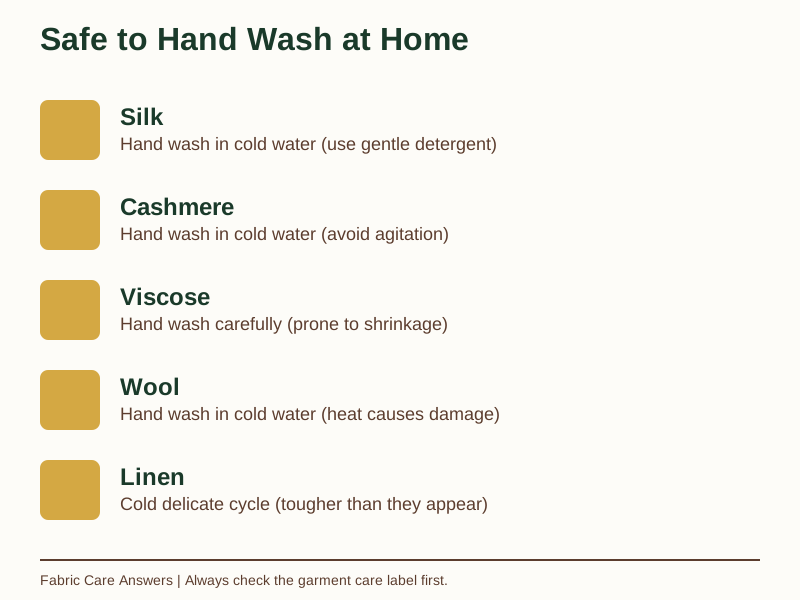
| Viscose & Rayon | Hand-wash carefully | Prone to slight shrinkage on first wash |
| Silk | Hand-wash in cold water | Hot water damages fibres; use gentle detergent |
| Wool & Cashmere | Hand-wash in cold water | Agitation and heat cause damage |
| Linen | Cold delicate cycle | Tougher than appearance suggests |
| Structured Tailoring | Professional dry clean | Interfacing and linings shrink independently |
| Leather & Suede | Specialist clean | Water causes permanent staining |
| Velvet | Specialist clean or gentle hand-wash | Crushes easily; verify fibre content |
| Heavily Embellished | Professional clean | Rigid decorations risk water damage |
Common Questions Answered
Can I tumble dry “dry clean only” clothes?
Almost never. Heat and tumbling shrink wool and cashmere while distorting silk. Use low heat only if the label explicitly permits it, and employ a mesh bag. Otherwise, air dry flat.
Which detergent works best for delicates?
Choose pH-neutral formulas designed for delicate fabrics. Woolite, Eucalan, The Lab Co. Cashmere & Wool Laundry Detergent, 500 ml (paid link), and Ecover Delicate Laundry Liquid, Waterlily & Honeydew, 750 ml (paid link) all protect natural fibres. Avoid regular laundry detergent, which strips oils from silk and cashmere.
Buy Ecover Delicate Laundry Liquid, Waterlily & Honeydew, 750 ml on Amazon → (paid link)
Does home washing save money?
Yes. Gentle detergent costing a few pounds lasts for months of hand-washes, while dry cleaning typically costs £10-15 per item. The savings add up quickly with multiple delicate garments.
Can I use regular detergent on silk?
No. Regular detergents are too alkaline for silk, dulling fibres over time. Use delicate-specific formulas or, occasionally, washing-up liquid as a gentler alternative.
How should I treat stains before washing?
Apply targeted stain removers like Dr. Beckmann Stain Devils for specific stain types. Always test on an inside seam first, then treat the stain before hand-washing. See our Stain Removal Guide UK for detailed advice.
Home washing “dry clean only” garments proves safer than perc-based dry cleaning for cashmere, silk, and viscose. The solvent gradually damages natural fibres, while cold hand-washing preserves them. Structured tailoring, leather, suede, velvet, and heavily embellished items require professional care due to water sensitivity.
The boundary between safe home washing and necessary professional cleaning falls along fabric construction lines. For delicate knits and woven fabrics, home washing protects fibres better than chemical cleaning. For structured garments and water-sensitive materials, professional care prevents irreversible damage.
Prepare for laundry mishaps with our Free Stain Removal Cheat Sheet , covering treatments for common stains.
Further Guidance
Our Delicate Fabric Care Guide provides complete coverage for safely washing cashmere, wool, and silk at home.
References
- Health and Safety Executive
- Fabric care specialists
- Dr. Beckmann
As an Amazon Associate we earn from qualifying purchases. The products linked above are ones we think are worth a look.
Note: General guidance only, verify details with a qualified professional or official source.