How to Get Grease and Oil Stains Out of Clothes
As an Amazon Associate we earn from qualifying purchases. This page contains affiliate links — if you buy through them, we earn a small commission at no extra cost to you.
Grease binds to fabric because non-polar lipid chains latch onto hydrophobic fibre surfaces. This chemical attraction is what makes oil stains so persistent.
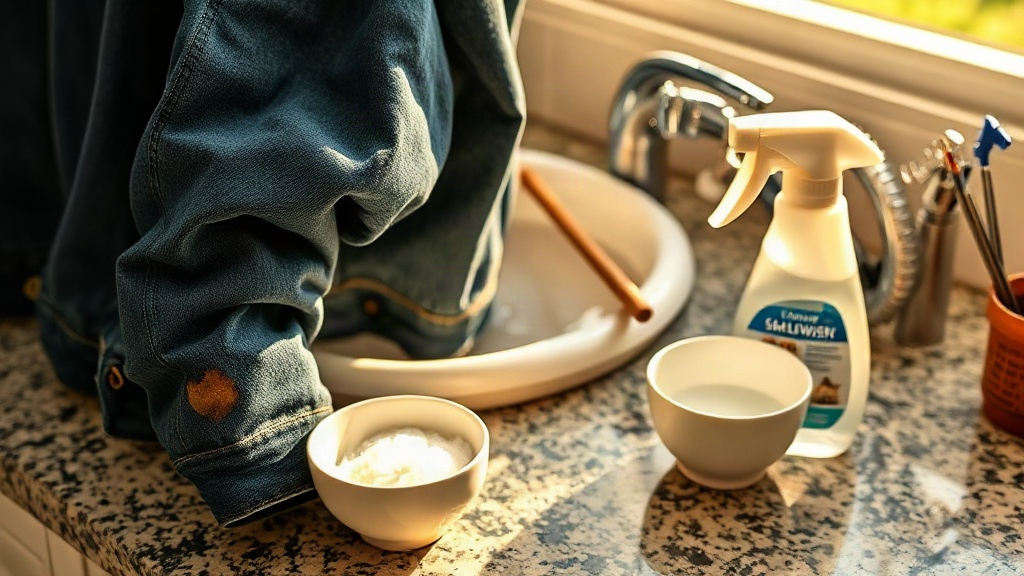
When oil hits fabric, the instinct to scrub immediately makes things worse. It pushes the stain deeper and spreads it across the weave. Rather than reaching for specialist products, most UK households already have the right tool for everyday cooking spills: washing-up liquid. Its surfactant action breaks the bond between oil and fibre, allowing water to lift the stain away. You’ll learn when this simple method works best and when a targeted remover actually makes sense for heavier industrial greases.
The chemistry behind stubborn stains
Oil and water naturally repel each other. Fabric fibres attract water, which means ordinary washing fluid slides past grease instead of lifting it. The right surfactant changes this by surrounding oil droplets so they can be rinsed away.
📺 Watch: How To Remove Bike Oil Stains From Clothes
Heat complicates the situation. Applying warmth to a fresh stain drives oil deeper into the fabric structure. Left untreated over time, oil stains become harder to shift as they bond more firmly with the fibres.
Rubbing is the most common error. Pressing and scrubbing in those first moments transforms a small spot into a large patch. The correct approach is to blot gently from the outside inward, lifting excess oil before treatment begins.
Using washing-up liquid effectively
For typical kitchen spills like cooking oil or butter, washing-up liquid is remarkably effective. Fairy Original Washing Up Liquid, 1.45 L (paid link) and similar products contain surfactants designed specifically to break down dietary fats.
Buy Fairy Original Washing Up Liquid, 1.45 L on Amazon → (paid link)
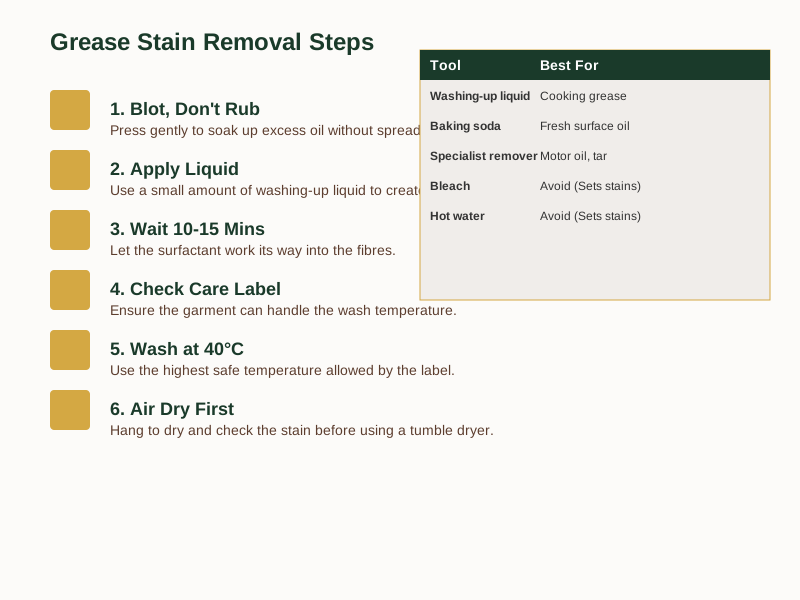
Blot first, don’t rub. Press a paper towel gently against the stain to absorb surface oil. Work from the edges toward the centre to prevent spreading.
Apply a small amount directly. A pea-sized drop of washing-up liquid worked gently into the fibres creates a light lather. This shows the surfactant is surrounding the oil molecules.
Allow time for the chemistry to work. Let the treated area sit for several minutes before washing. This gives the surfactant time to break the oil’s bond with the fabric. Then wash according to the garment’s care label instructions.
Always check the clothing care label first. Delicate fabrics like silk or wool need gentler treatment than cotton. The care label indicates the maximum safe temperature and whether machine washing is appropriate.
When specialist removers make sense
Washing-up liquid handles most household grease stains efficiently. For heavier petroleum-based marks like motor oil or road tar, a targeted product may be necessary. Dr. Beckmann Stain Devils Lubricants & Oils, 50 ml (paid link) is formulated for these more complex stains.
View Dr. Beckmann Stain Devils Lubricants & Oils, 50 ml on Amazon → (paid link)
Specialist removers come with trade-offs: they’re more expensive per application and may require multiple treatments for set-in stains. For cycling commuters dealing with chain oil or those working with machinery, these products can reach where washing-up liquid might struggle. For typical kitchen spills, however, they’re often unnecessary.
Common errors that set stains permanently
Several mistakes can turn a manageable stain into a permanent mark.
📺 Watch: How to Remove Set Grease Stains- Works Every Time!
Applying heat too soon. Warm water on a fresh stain drives oil deeper into the fabric. Use cool water initially and reserve warmer temperatures for the final wash after treatment.
Using the tumble dryer prematurely. Never dry a potentially stained garment with heat until you’re certain the mark is gone. The sustained warmth can set any remaining oil permanently. If unsure, air-dry and inspect first.
Reaching for bleach. On coloured fabrics, bleach can remove dye from the surrounding area while reacting unpredictably with the oil itself. This may leave a light patch or darken the stain further.
If you’ve already made one of these errors, act quickly. A stain set by heat is more challenging but not necessarily hopeless. Retreat with washing-up liquid, soak in cool water, then wash at the highest temperature the fabric allows. Proper drying technique becomes especially important when rescuing garments that nearly became casualties.
Answering common questions
Can I use washing-up liquid on delicate fabrics?
Yes, but with caution. Test on a hidden seam first and use a minimal amount diluted in cool water. For silk or cashmere, specialist wash products like Eucalan are gentler on the fibres. If using washing-up liquid, limit soaking time to just a few minutes.
Does baking soda work on grease stains?
Baking soda absorbs surface oil but doesn’t emulsify it like a surfactant does. It can help with very fresh stains but should be followed by proper treatment with washing-up liquid. Think of it as a preliminary step rather than a complete solution.
How do I remove grease from leather?
Avoid water-based products on leather as they can damage the finish. Use a dedicated leather cleaner or saddle soap applied gently with a soft cloth. For valuable items, professional cleaning may be worth the investment.
Grease stains have a particular chemistry that makes them likely to reappear after washing if not fully emulsified — oil molecules can remain bonded to fibres despite appearing gone. Washing-up liquid works because its chemistry matches the task: it breaks the bond between oil and fabric so water can carry the stain away. Specialist removers have specific applications but aren’t necessary for most kitchen spills.
The crucial habits are simple: blot instead of rubbing, treat before washing, and avoid heat until the stain is definitely gone. For the broader chemistry behind different stain types, our Stain Removal Guide UK covers the full range.
For quick reference during future spills, get the Free Stain Removal Cheat Sheet .
Sources & Further Reading
As an Amazon Associate we earn from qualifying purchases. The products linked above are ones we think are worth a look.
Note: General guidance only, verify details with a qualified professional or official source.